Loading
Loading
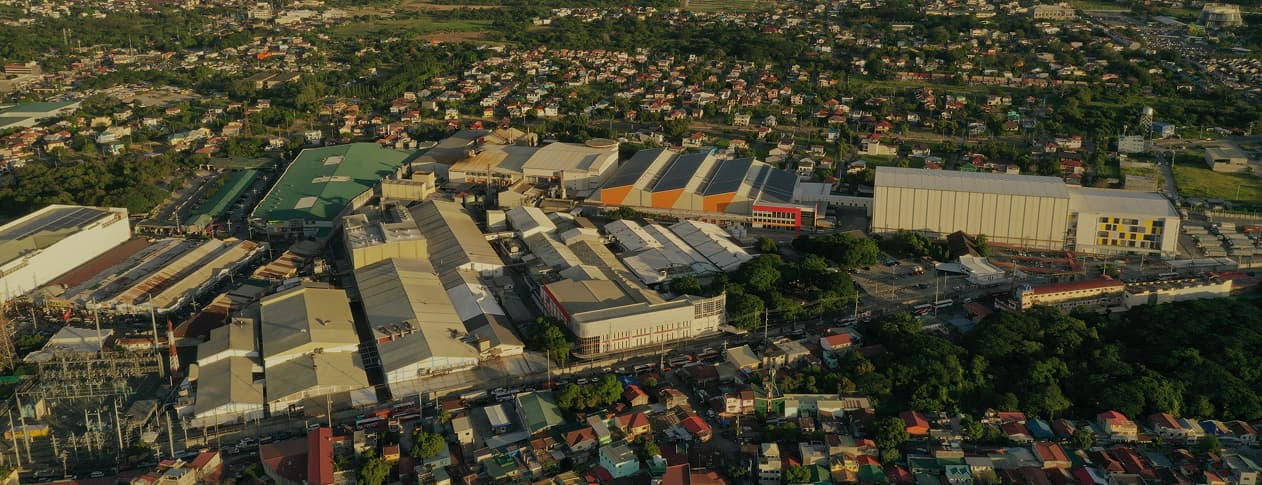
This Sustainability Report documents how Monde Nissin applied its first five-year Sustainability Roadmap (2021–2025) across the organization and the lessons that emerged from implementation. The roadmap provided a structured framework for translating material sustainability topics into operational practices across the Product, Planet, People, and Partnership Pillars.

Making Better Food Accessibility Possible

Making Eco-efficiency Possible

Making Inclusivity Possible

Making Collective Action Possible
Over the roadmap period, a key focus was strengthening the systems needed to support consistent execution and credible reporting. This included improving ESG data governance through clearer ownership, documentation standards, and validation processes to support audit readiness and internal decision-making.

Within the People Pillar, the Company moved from largely site-based programs toward more standardized governance frameworks...
Within the People Pillar, the Company moved from largely site-based programs toward more standardized governance frameworks covering capability development, employee engagement, occupational health and safety, and social safeguards. Structured learning systems were strengthened through centralized platforms and defined competency architectures, enabling improved tracking of training participation among both regular and probationary employees. Leadership development, early-career programs such as MondeXplore, and sustainability learning modules were integrated into workforce capability planning. Workforce practices continued to emphasize fair employment, statutory compliance, and structured dialogue. Occupational health and safety management remained aligned with regulatory requirements and site-level risk controls, supported by defined reporting mechanisms and accountability at supervisory and management levels. Employee engagement and wellbeing initiatives were implemented through structured surveys, dialogue mechanisms, enabling systematic monitoring of employee experience, and informed program refinement.
Implementation experience varied across topics and locations. In product development, nutrition-related initiatives progressed through iterative reformulation and fortification work, supported by internal reference points such as sodium criteria to guide decision-making. These efforts required balancing technical feasibility, consumer preferences, regulatory requirements, and affordability.
In operations, renewable electricity sourcing expanded across manufacturing sites, alongside continued efforts to improve energy, water, and waste management. Differences in site maturity and data availability reinforced the importance of sequencing initiatives and strengthening site-level capabilities.
The outcomes and lessons presented in this report provide a clearer understanding of what is required to meaningfully manage sustainability practices systematically and at scale.
The roadmap also underscored the importance of coordination across functions and partners. Advancing sustainability outcomes depended on collaboration among Product Supply, Research & Development, and Customer & Consumer Development; supported by Corporate Sustainability, Finance & Accounting, People & Culture, and Information Technology and Digitalization; with oversight from Risk Management and Legal and Compliance; and in coordination with Corporate & Government Affairs, alongside engagement with suppliers, regulators, communities, and industry partners. As the Company concludes its first Sustainability Roadmap, the outcomes and lessons presented in this report provide a clearer understanding of what is required to meaningfully manage sustainability practices systematically and at scale. The emphasis going forward remains on strengthening systems, improving data quality, and reinforcing governance and accountability so that sustainability considerations continue to be applied consistently across the organization.
Rizza Cajucom-Uy
Former Chief Sustainability Officer
Monde Nissin Corporation