
From ideation to post-consumer responsibility, each part of our value chain plays a role in delivering quality food that consumers trust, improving operational efficiency, and fostering collaborations across the industry. These interconnected stages shape where our most significant ESG impacts and dependencies arise.
Value Chain Overview
Monde Nissin's value chain spans from raw material sourcing and product development to manufacturing, distribution, consumer engagement, and post-consumer waste management. Across each stage, activities influence product accessibility, operational performance, and environmental and social impacts.

Sustainability considerations across the value chain are managed within the Company's established governance and management processes, with cross-functional coordination among procurement, operations, quality assurance, and sustainability functions to monitor relevant risks and controls. The value chain provides a high-level view of where material topics arise and how related risks and opportunities are addressed across operations. Detailed initiatives and performance information for each stage are discussed in the relevant sections of this report. Additional information on our business segments and activities can be found under Business Segments and Activity Metrics.
Upstream
Our upstream activities include research and development (R&D), raw material sourcing, and supplier engagement. Decisions made at this stage influence product quality, nutrition, cost, and environmental footprint.
We work with suppliers to reinforce responsible sourcing practices and compliance with quality and safety requirements, supported by supplier due diligence and accreditation processes. R&D activities include the application of nutrition criteria in product development, and efforts to reduce packaging impacts, particularly in high-volume categories.
Research and Development (R&D) is a key upstream stage where decisions on product design, formulation, and packaging are made. These decisions influence nutrition profiles, product quality and safety, affordability, and packaging impacts across the portfolio.
R&D activities include product fortification, formulation review, ingredient selection, and packaging design considerations, including efforts to improve recyclability through mono-material solutions. Nutrition-related considerations, such as sodium, sugar, and fat levels, are evaluated within established development processes, taking into account consumer preferences, regulatory requirements, and manufacturing feasibility.
Details on product-related initiatives and outcomes are discussed in Making Better Food Accessibility Possible.
Sourcing and supplier engagement form a critical part of Monde Nissin's value chain, reflecting the Company's reliance on agricultural and commodity-based inputs. Key raw materials include wheat/flour, palm oil, shortening, coconut oil, and sugar, which influence product cost, quality, and supply continuity.
Supplier due diligence, accreditation, and monitoring processes are applied to support quality, safety, and responsible sourcing expectations. Sustainability considerations at this stage include supply risk management, ethical conduct, and environmental and social impacts associated with raw material production.
Own Operations
Own operations include manufacturing and processing across our production sites. These activities require materials, energy, and water and therefore involve environmental and operational considerations that require ongoing management.
These are managed through operational controls that support resource efficiency, food safety, quality systems, and the monitoring of water, waste, and emissions. Certifications and monitoring systems support regulatory compliance and worker health and safety. Workforce practices include measures related to fair labor, safe working conditions, and skills development.
Manufacturing is the stage where products are produced at scale across Monde Nissin's production facilities. This stage involves the use of materials, energy, and water, and is therefore associated with environmental, quality, safety, and workforce considerations that require ongoing management.
Manufacturing operations are governed by food safety, quality assurance, and operational control systems designed to support consistent product quality, regulatory compliance, and worker health and safety. These systems guide production processes through standardized procedures, quality monitoring, and traceability mechanisms designed to maintain product integrity from raw materials to finished goods. Environmental considerations at this stage include efficient use of energy and water resources, responsible management of waste and by-products, and monitoring and control of operational emissions.
Related initiatives and performance are discussed in Making Better Food Accessibility Possible and Making Eco-Efficiency Possible.
Downstream
Downstream activities include distribution, marketing, consumer engagement, and post-consumer waste management. Through a nationwide distribution network, products reach consumers across urban areas, and communities with limited access to formal retail channels. Marketing and consumer communications are subject to internal review processes, with an emphasis on clear product labeling and accurate information. Consumer feedback mechanisms support transparency and product improvement. Post-consumer responsibilities include packaging design considerations and compliance with EPR requirements, as well as collaboration on waste recovery initiatives.
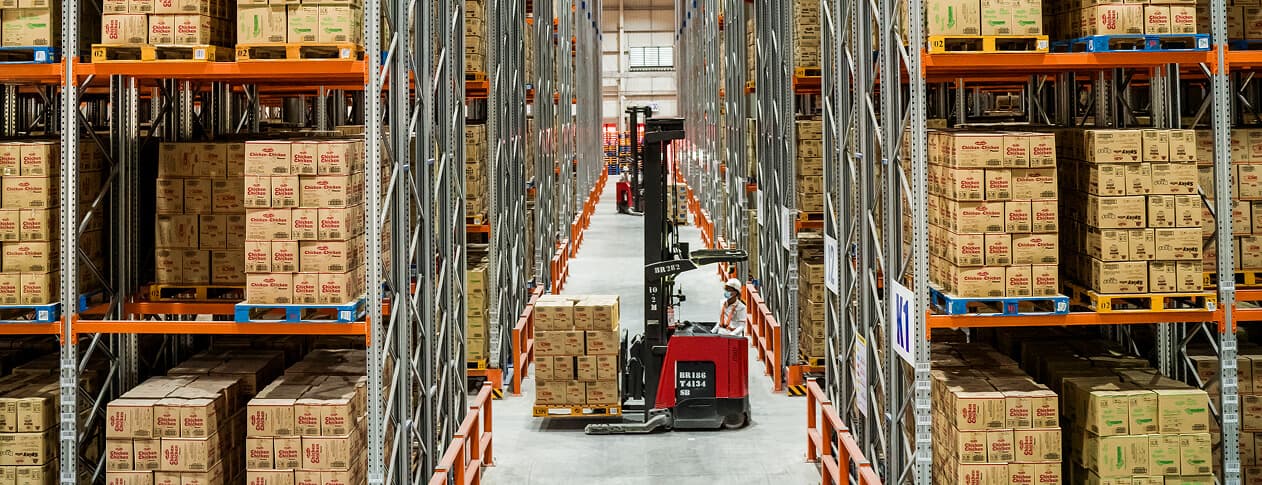
Distribution covers the movement of products from manufacturing sites to distributors and retailers nationwide. This stage is associated with considerations related to logistics efficiency, product availability, emissions from transportation, and the livelihoods supported within the distribution ecosystem.
Distribution activities are managed through a network of distributors and resellers, with an emphasis on operational efficiency, reach, and reliability. Sustainability considerations at this stage include delivery efficiency, spoilage management, and environmental impacts associated with transportation.
Related initiatives and performance are discussed in Making Better Food Accessibility Possible and Making Eco-Efficiency Possible.
Marketing and consumer communications are conducted through established internal processes and review mechanisms. These activities focus on providing accurate product information, appropriate labeling, and clear communication across relevant channels.
Consumer feedback mechanisms are in place to capture inquiries and concerns, which are reviewed to support transparency and inform product communication and service improvements. Related initiatives are discussed in Making Better Food Accessibility Possible.
Product Use and End-of-Life considerations relate to the management of packaging impacts beyond the point of sale. In line with EPR regulations, this stage includes collaboration with recovery and recycling partners and participation in programs that support packaging collection, recycling, and responsible disposal.
Sustainability efforts at this stage focus on reducing packaging impacts across the product lifecycle, supporting waste recovery and diversion initiatives, and aligning practices with applicable regulatory requirements.
Related initiatives and performance are discussed in Making Better Food Accessibility Possible and Making Eco-Efficiency Possible.