
Strategy and Targets
Waste management and circularity are priorities under the Planet Pillar, reflecting the Company's focus on resource efficiency, landfill diversion, and responsible materials use across manufacturing operations.
Monde Nissin manages waste by prioritizing reduction at source, standardized segregation, recovery and recycling solutions, and responsible disposal of residual waste. These practices are embedded in plant operations and supported by coordination across production, quality, engineering, and environmental teams to minimize material losses and improve diversion outcomes. The Waste Management Guide remains integrated into annual Good Manufacturing Practices orientations, reinforcing shared responsibility and accountability across the organization so that standards are maintained. This approach extends to packaging and materials optimization, aligning waste management with broader circularity objectives focused on material efficiency and improved end-of-life recovery.
The Company set two key targets for 2025: achieving Zero Waste-to-Landfill across manufacturing sites and reaching 95% mono-material packaging to support recyclability. During the reporting period, efforts focused on strengthening segregation discipline across sites, reinforcing source reduction practices within production processes, and advancing the transition to mono-material packaging to support circularity objectives.
- Zero Waste-to-Landfill across manufacturing sites by 2025
- 95% mono-material packaging by 2025

Reduce at Source

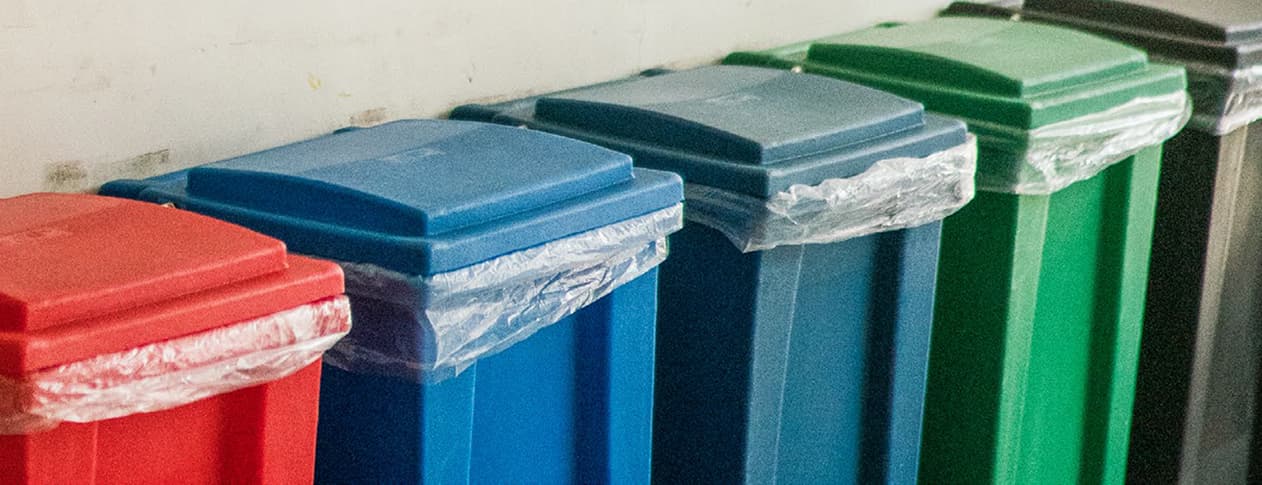
Standardized Segregation

Recovery and Recycling

Responsible Disposal

Packaging and Materials Optimization
Progress and Actions
Percentage of Waste Diverted from Landfills Across Monde Nissin's Manufacturing Sites
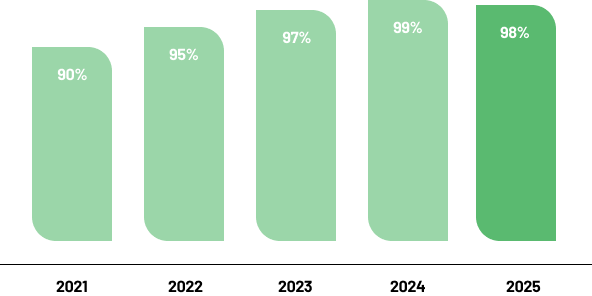
In 2025, waste reduction and segregation practices continued across manufacturing facilities, with recovery and recycling initiatives implemented or strengthened depending on local infrastructure and accredited partner availability. Waste diversion performance varied across sites, reflecting differences in waste composition, operational scale, and local recovery capacity.
Packaging optimization initiatives continued, resulting in 92% mono-material packaging material in 2025, compared to 94% achieved in 2024. Packaging downsizing efforts focused on reducing material use without compromising product quality, shelf life, or food safety. In 2025, initiatives centered on optimizing packaging thickness and material composition across selected product lines, while improving the recyclability of components such as seasoning packets. These redesign efforts resulted in mono-material, recycle-ready formats that reduce plastic use while enhancing end-of-life recyclability.
In parallel, certain product lines underwent planning and technical evaluation in 2025 for further packaging redesign and material optimization aimed at further reducing plastic use, improving structural efficiency, and enhancing recyclability.
Additionally, certain product lines underwent planning and technical evaluation in 2025 for packaging redesign and material optimization initiatives aimed at further reducing plastic use, improving structural efficiency, and enhancing recyclability. Data on materials, packaging, and compliance can be found under Materials and Environmental Compliance in the Environmental Disclosures page.
The No Single-Use Plastic Policy continues to be implemented at selected manufacturing sites, including Porac, Malvar, and Davao. Covering items such as plastic grocery bags, bottles, and cutlery, the policy is supported by material substitution and reuse practices within operations, contributing to reduced plastic use in daily activities. Investments continued to support recovery and diversion of our plastic packaging footprint beyond regulatory compliance, reinforcing post-consumer waste accountability across the recycling value chain. In 2025, Monde Nissin sustained 100% plastic footprint offsetting for the third consecutive year, exceeding applicable EPR regulatory requirements and reflecting continued action on plastic waste as a material sustainability priority. Additional information on waste and compliance can be found under Waste Management and Environmental Compliance in the Environmental Disclosures page.
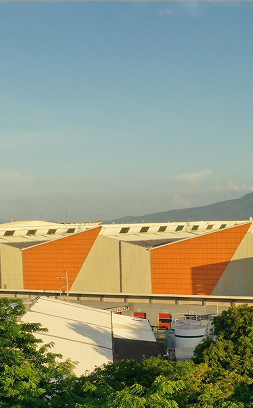
Upcycling Scrap Materials from a Roof Replacement Project
During a roof replacement project at the Davao plant in 2025, opportunities were identified to reduce construction waste through material recovery and reuse. Scrap Polyvinyl Chloride (PVC) roofing sheets and metal beams were recovered and diverted from disposal. The recovered materials were then donated to employees and nearby communities for use in their home and community projects—ultimately benefiting social development.
The activity demonstrates how applying waste segregation and recovery practices to routine site projects can help reduce landfill disposal. It also highlights the role of operational awareness in identifying reuse opportunities beyond day-to-day production processes.